Hard Floor Cleaning in SW20: Practical Solutions for Homes and Businesses
Why Hard Floor Cleaning in SW20 Matters for Everyday Spaces
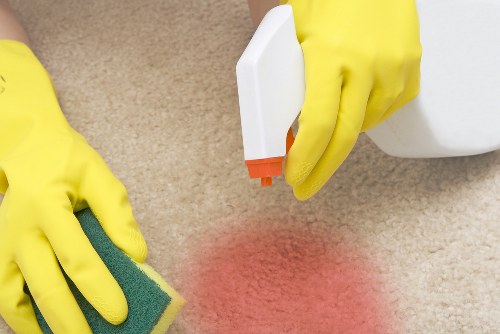
Hard floor cleaning in SW20 is about more than keeping surfaces looking neat. In homes, offices, shops, communal areas, and hospitality settings, floors take the brunt of daily life. Dust, grit, muddy shoes, drink spills, pet hair, and regular foot traffic can all leave a visible mark. Over time, even durable flooring can lose its shine, become slippery, or develop stubborn stains if it is not cared for correctly.
For residents and business owners in SW20, the right cleaning approach makes a noticeable difference. A well-maintained floor can improve the overall look of a property, support hygiene, and extend the lifespan of materials such as wood, vinyl, laminate, tile, stone, and sealed concrete. Hard floor cleaning in SW20 should always be tailored to the surface type, because every floor reacts differently to moisture, chemicals, tools, and cleaning frequency.
It is also important to understand that hard floor cleaning is not simply a matter of mopping and drying. A proper process often includes sweeping, vacuuming, spot treatment, machine cleaning, polishing, sealing, and routine maintenance. The right combination helps protect the floor and keeps it looking fresh for longer. For many properties, investing in expert care is a smart way to reduce long-term wear and maintain a professional appearance.
Understanding the Main Types of Hard Flooring in SW20 Properties
Before deciding on the best approach for hard floor cleaning in SW20, it helps to know what kind of flooring you have. Different surfaces need different methods. Using the wrong products or tools can cause dullness, staining, warping, or abrasion. This is why surface identification matters so much in both domestic and commercial settings.
Common hard floor surfaces in SW20 include tile and grout, natural stone, engineered wood, solid wood, luxury vinyl tile, laminate, and sealed concrete. Each one offers a different balance of appearance, durability, and maintenance needs. For example, a stone floor might require pH-neutral cleaning products, while wood floors need minimal moisture and careful drying.
Property owners should also consider traffic levels and environmental factors. A busy shopfront near local footfall will collect more dirt than a lightly used home hallway. Likewise, kitchens, reception areas, entrances, and shared corridors often need more frequent attention. In SW20, seasonal weather can also affect floor condition, with rain and outdoor debris increasing the need for thorough hard floor cleaning.
How to Match the Cleaning Method to the Material
Here are some simple surface-matching examples:
- Tile floors: Deep clean grout lines and remove residue build-up.
- Wood floors: Use gentle products and controlled moisture.
- Stone floors: Apply specialist cleaners that protect the finish.
- Vinyl floors: Remove scuffs and restore a clean, even sheen.
- Laminate floors: Avoid excessive water and harsh scrubbing.
Core Techniques Used in Professional Hard Floor Cleaning in SW20

Professional hard floor cleaning in SW20 typically starts with dry soil removal. This step may sound basic, but it is essential. Dust, sand, and grit act like fine abrasives, and if they are dragged across the surface during mopping, they can scratch or dull the finish. Sweeping, dust-mopping, and vacuuming are often the first stage of a proper cleaning routine.
Next comes targeted cleaning. Depending on the floor type, cleaners may use rotary machines, scrubber dryers, microfiber systems, or manual scrubbing with safe detergents. For heavily used floors, machine cleaning can lift ingrained dirt far more effectively than standard household methods. This is especially useful in commercial properties where frequent traffic leaves a persistent layer of grime.
Rinsing and drying are just as important. Any detergent residue left behind can create a sticky layer that attracts more dirt. On some surfaces, leftover moisture can also cause slips or damage. A high-quality hard floor cleaning process therefore includes controlled drying and, where needed, polishing or buffing to finish the job cleanly.
Popular Methods Used on Different Floors
- Dry soil removal to clear loose debris.
- Deep scrub cleaning for embedded dirt and stains.
- Machine polishing to restore shine on suitable surfaces.
- Grout treatment for tiled areas.
- Protective sealing where extra resistance is needed.
These methods can be combined depending on the condition of the floor. In many SW20 properties, a tailored schedule gives better results than a single one-size-fits-all approach.
Benefits of Regular Hard Floor Cleaning in SW20
One of the biggest advantages of consistent hard floor cleaning in SW20 is improved appearance. Clean floors immediately make a room feel more welcoming, more organised, and more cared for. This matters in homes, but it can be especially important for businesses that want to present a polished image to visitors, staff, and customers.
Another major benefit is hygiene. Floors collect contaminants from shoes, pets, food, dust, and outdoor pollution. Regular hard floor cleaning reduces the build-up of bacteria, allergens, and unpleasant odours. In kitchens, entrances, and washroom-adjacent areas, good cleaning standards can make the environment feel safer and fresher every day.
There is also a long-term financial benefit. Flooring can be expensive to replace, especially when it is made from premium materials. By removing abrasive particles, treating stains early, and protecting finishes, regular maintenance can significantly extend the life of the surface. Proper hard floor cleaning in SW20 is an investment in durability as much as presentation.
Key Benefits at a Glance
- Better presentation: Floors look brighter and more professional.
- Improved hygiene: Dirt, grime, and bacteria are reduced.
- Longer lifespan: Surfaces suffer less wear and tear.
- Safer walking conditions: Clean, dry floors reduce slip risks.
- Less maintenance stress: Regular care prevents major build-up.
For property owners in SW20, these benefits make routine floor care a practical decision rather than a cosmetic luxury.
Challenges That Affect Hard Floor Cleaning in SW20

Although hard flooring is designed to be durable, it still faces several challenges in daily use. The first is surface wear. Foot traffic gradually causes a floor to lose its finish, particularly in corridors, entrances, and communal spaces. If dirt is left to accumulate, it can create a dull, patchy appearance that is hard to reverse without specialist treatment.
Stains are another common issue. Coffee, tea, wine, food, oil, and cleaning product residue can all leave marks if not addressed quickly. On porous materials such as some stone floors or unsealed surfaces, stains can penetrate deeper and become more difficult to remove. That is why prompt hard floor cleaning in SW20 often saves time and money later.
Moisture misuse is also a problem. Too much water can damage wood, cause laminate edges to swell, or leave slippery patches on vinyl and tile. Strong chemicals are another risk, as they may strip finishes or create a cloudy residue. The safest approach is to use the right method for the exact floor type and to avoid aggressive cleaning habits that do more harm than good.
Common Mistakes to Avoid
- Using too much water on wood or laminate.
- Applying abrasive scrubbers to delicate finishes.
- Ignoring grout lines until they become deeply stained.
- Using generic cleaners that are not suitable for the material.
- Allowing dirt to build up before scheduling maintenance.
Careful planning and regular attention are the best ways to avoid these problems. In many cases, consistent maintenance is much easier than attempting to restore a neglected floor.
Hard Floor Cleaning in SW20 for Homes
Homeowners in SW20 often want floors that are both attractive and easy to manage. Kitchens, hallways, lounges, bathrooms, and conservatories can all have different cleaning needs. A family home may experience spillages, muddy shoes, pet activity, and everyday mess, so a practical routine is essential. Hard floor cleaning in SW20 for homes should focus on keeping surfaces presentable without creating extra work for the household.
For domestic settings, routine care usually begins with dry cleaning several times a week, followed by damp cleaning when needed. The exact schedule depends on usage. A hallway near the front door, for example, will need more attention than a spare room. For wood and laminate, low-moisture systems are generally preferable. Tile and stone may benefit from periodic deeper cleaning to prevent build-up in joints and textured areas.
Homeowners also benefit from protecting the floor before stains set in. Simple habits such as placing mats at entrances, wiping spills immediately, using felt pads under furniture, and avoiding shoes indoors can make a big difference. When these habits are combined with professional hard floor cleaning in SW20, the floor often stays attractive for far longer.
Domestic Maintenance Tips
- Dry mop or vacuum regularly to prevent grit scratches.
- Clean spills quickly to avoid staining.
- Use floor-safe products recommended for the material.
- Keep entry mats clean so they trap dirt effectively.
- Schedule periodic deep cleaning for high-use rooms.
These small steps can have a major impact on the appearance and condition of the floor.
Hard Floor Cleaning in SW20 for Commercial Properties
Commercial premises have even higher expectations when it comes to cleanliness. Offices, retail units, schools, clinics, restaurants, and shared buildings all rely on floors that are tidy, safe, and professional-looking. In these environments, hard floor cleaning in SW20 is not simply about appearance. It also supports workplace standards, customer confidence, and day-to-day safety.
Commercial floors face intense traffic, repeated cleaning, and varied contaminants. Staff shoes, delivery trolleys, food particles, and outdoor debris all contribute to faster wear. In some settings, such as hospitality or healthcare-adjacent spaces, hygiene standards are especially important. A consistent hard floor cleaning plan helps reduce risk, preserve appearance, and support a positive impression of the business.
Businesses often choose scheduled maintenance rather than occasional reactive cleaning. This ensures floors remain presentable during trading hours and prevents dirt from becoming embedded. Depending on the material and use, the service may include machine scrubbing, buffing, sealing, or restorative treatment. For SW20 businesses, a clean floor can quietly strengthen the overall customer experience.
Commercial Priorities
- Maintaining a professional image.
- Reducing slip hazards in busy areas.
- Protecting expensive flooring materials.
- Meeting hygiene expectations.
- Minimising disruption to operations.
A good floor care plan takes these priorities into account while remaining practical for the property’s schedule and traffic pattern.
Choosing the Right Products and Equipment
Selecting the correct products is a vital part of successful hard floor cleaning in SW20. Not all floor cleaners are universal. Some are too harsh for delicate materials, while others are too mild to remove ground-in grime. The best choice depends on the floor’s finish, age, condition, and level of traffic.
For many floors, pH-neutral cleaners are a safe and reliable option. They reduce the risk of damage while still removing everyday dirt. For stone or polished surfaces, special formulations may be required to protect the finish. Microfiber mops, soft pads, and appropriate machine brushes also play a major role in avoiding scratches and maintaining an even clean.
It is equally important to use the right tools for drying and finishing. Excess water should be removed quickly, and ventilation can help surfaces dry properly. If the flooring is suitable, polishing or buffing may be used to restore a smooth, attractive finish. This stage can make hard floor cleaning in SW20 look more complete and professional.
Useful Equipment Examples
- Microfiber dust mops
- Wet vacuums or scrubber dryers
- Soft-bristle brushes
- Floor-safe detergents
- Buffing pads for polishable surfaces
Using equipment correctly is just as important as choosing the right solution. Even a good product can perform poorly if applied with the wrong tool or method.
How Often Should Hard Floor Cleaning in SW20 Be Done?
The ideal cleaning frequency depends on the floor type, the space’s function, and how much traffic it receives. A busy commercial entrance will need more frequent cleaning than a quiet residential room. In general, the more traffic a floor receives, the more often it should be cleaned. This keeps dirt from building up and helps prevent visible dullness.
For homes, a light clean may be needed several times a week, with deeper hard floor cleaning in SW20 every few weeks or months depending on use. For businesses, daily attention may be necessary in entrance areas and regular scheduled deep cleans may be advisable for larger floor spaces. Kitchens, reception areas, and washroom corridors often benefit from increased frequency.
A simple way to judge frequency is to look at the floor itself. If it appears dull, feels sticky, shows scuffs, or starts to collect marks quickly after cleaning, it probably needs more regular care. Establishing the right schedule is one of the best ways to keep hard floor cleaning in SW20 effective and manageable.
Signs a Floor Needs Attention
- Visible dust and grit after routine cleaning.
- Loss of shine or a patchy finish.
- Scuff marks near entrances or corners.
- Sticky residue or cloudy patches.
- Persistent odours or discoloration.
These signs often indicate that a deeper clean or different method is needed.
Restoration, Protection, and Long-Term Floor Care
Some floors need more than cleaning alone. If a surface is heavily marked, scratched, or lacking shine, restoration may be required. This can include stripping old residues, polishing, resealing, or treating stains that have settled into the material. In those cases, hard floor cleaning in SW20 becomes part of a broader floor care process.
Protection matters just as much as restoration. Sealants can help certain surfaces resist staining and moisture. Furniture pads can reduce scratches. Entrance matting can trap grit before it reaches the floor. Hard floor cleaning works best when it is supported by these preventative measures, because they reduce the rate at which damage occurs.
Long-term care is about building a routine that suits the property. A consistent mix of daily upkeep, periodic deep cleaning, and surface-specific protection will usually outperform occasional heavy intervention. For many SW20 homes and businesses, this approach keeps the floor looking better and working harder for longer.
Long-Term Protection Tips
- Use entrance mats inside and outside key doors.
- Refresh sealants when needed on suitable floors.
- Move furniture carefully rather than dragging it.
- Address spills immediately.
- Maintain a regular cleaning schedule all year round.
Why Local Hard Floor Cleaning in SW20 Makes Sense
Choosing local hard floor cleaning in SW20 offers practical advantages. Local knowledge helps ensure the service suits the property types, traffic patterns, and expectations common in the area. Whether the job involves a family home, a small retail space, or a larger shared building, a local focus can make the service more responsive and efficient.
Local support also helps with scheduling and ongoing maintenance. If a floor needs repeat care, it is easier to maintain consistency when the service understands the property’s routine. This matters because effective hard floor cleaning in SW20 is usually not a one-off task. It is part of an ongoing effort to keep the surface safe, clean, and visually appealing.
From the first sweep to the final polish, a good approach should combine attention to detail with an understanding of the material. When done correctly, the results are immediately visible. Floors look brighter, rooms feel fresher, and the entire property benefits from a more cared-for appearance. If you want cleaner, better-protected flooring, contact us today or book your service now to take the next step toward better floor care.